


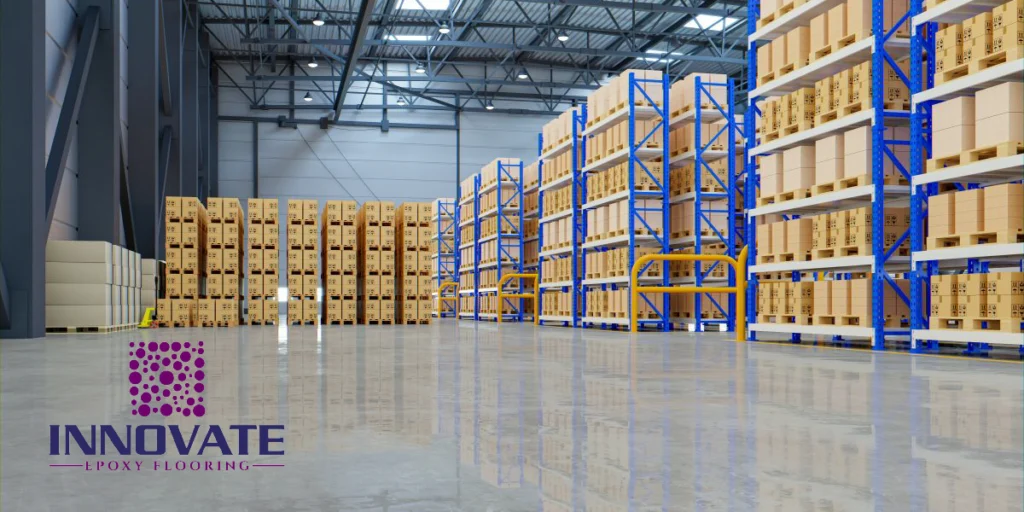
Epoxy coatings are used to create attractive, highly durable floors that are resistant to high levels of impact and abrasion. These coatings are produced with a combination of polymer resins and hardeners, resulting in a chemical bond with concrete.
A wide variety of epoxy coatings exist, including an extensive range of colors and decorative options, and they can often be combined with other commercial resinous floor coatings.
Best industrial floor paint for concrete
When it comes to protecting heavy use surfaces the best industrial floor paint for concrete is undoubtedly epoxy.
This high performance coating is made from a special resin that creates a strong, durable, and long-lasting surface which ideal for industrial environments.
Strength and UV Stability
Epoxy flooring forms a solid layer that protects your concrete from heavy wear and tear, machinery movement, and chemical exposure. It’s UV stable, meaning it won’t yellow or fade even after long-term sunlight exposure.
Easy Maintenance and Cleaning
One of the biggest advantages of using the best industrial floor paint for concrete is how easy it is to maintain.
Epoxy coatings prevent oil, grease, and chemical spills from seeping into the surface. Cleaning is simply wipe up spills without worrying about stains or surface damage.
Long Lasting Durability
Compared to polished concrete, epoxy floors deliver superior durability and protection. The installation process involves mixing a resin with a hardener, creating a tough, seamless surface that resists cracks and abrasions.
For the best results, proper concrete surface preparation is essential. Grinding, cleaning, and priming the floor ensure the epoxy adheres perfectly and lasts for years without peeling or bubbling.
Benefits of Industrial Epoxy Flooring for Concrete
Industrial epoxy flooring is one of the best solutions for protecting and upgrading concrete surfaces in warehouses, factories and workshops.
Epoxy flooring offers many advantages for businesses. First, it provides higher resistance to harsh chemicals. This means your floor won’t get damaged easily.
second one Epoxy coatings create a hard, impact-resistant surface that can withstand heavy machinery, high traffic, and industrial equipment without cracking or chipping.
One of the main reasons businesses choose epoxy flooring is its strong resistance to oils, chemicals, and cleaning agents. Spills stay on the surface and can be easily wiped up without seeping into the concrete or causing damage.
Applications of industrial epoxy flooring
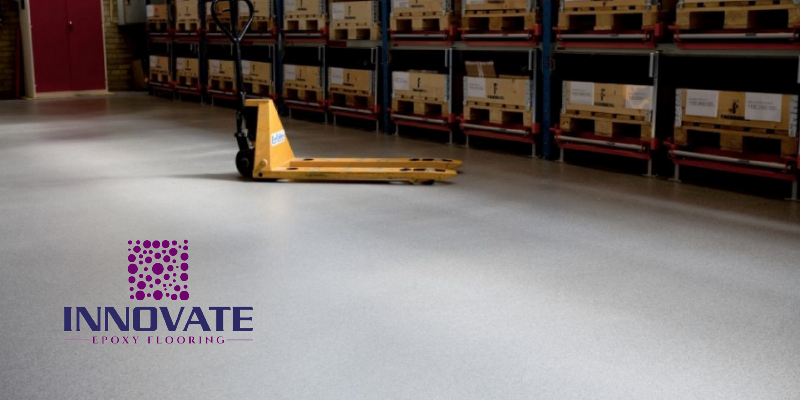
Industrial epoxy flooring is versatile and suitable for many settings. It works great in factories and warehouses, so you can have a strong surface for your heavy equipment. You can also use it on walls for extra protection.
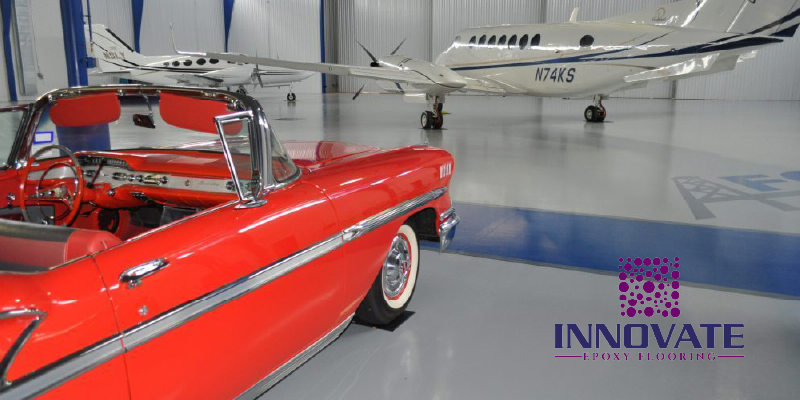
Mechanical workshops benefit from epoxy floors, because they can withstand spills and stains. Aircraft hangars require durable flooring, and epoxy meets those needs perfectly. Treatment plants also find epoxy useful due to its chemical resistance.
In commercial kitchens, cold rooms, and freezers, epoxy flooring helps maintain cleanliness. Its easy-to-clean surface makes it ideal for food preparation areas. Food manufacturing plants also rely on epoxy to handle spills from ingredients.
Retail outlets can enhance their appearance with bright and durable epoxy floors. This flooring solution is not only practical but also visually appealing.
The service industry, including bars and restaurants, benefits from epoxy’s slip resistance. This ensures safety for both staff and customers.
Finally, offices can use epoxy flooring to create a modern and professional look. Its durability means less maintenance and long-lasting results.
Types of Industrial Epoxy Flooring
Choosing the right industrial epoxy flooring is essential for your space. There are several types available, each with unique features. These are the ones below:
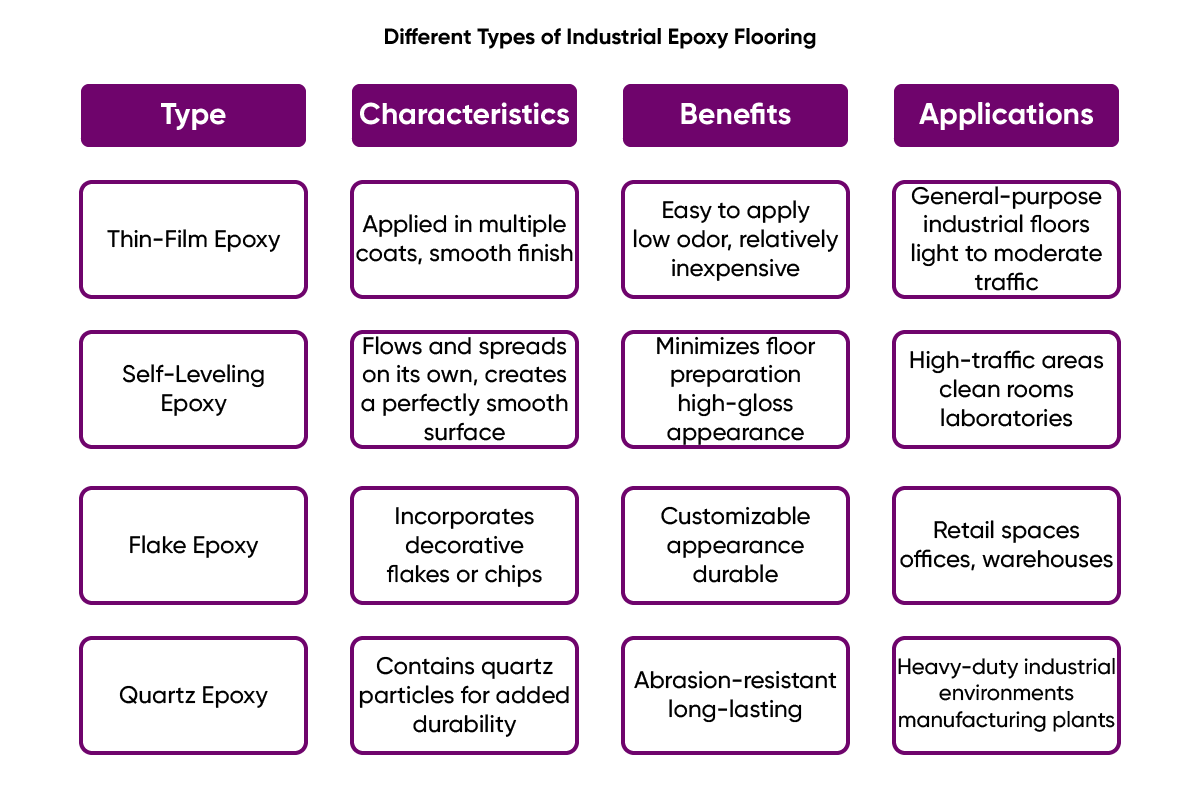
- Thin-Film Epoxy is a popular option for a smooth finish. It’s applied in multiple coats to create a sleek surface. This type is easy to apply and has a low odor. It’s also budget-friendly. So this will be a great choice for many applications.
- Self-Leveling Epoxy is perfect for achieving a flawless surface. It flows and spreads on its own. This makes the finish uniform. This type reduces the need for extensive floor preparation and offers a high-gloss look.
- Flake Epoxy adds a decorative touch to your floors. It incorporates colorful flakes or chips. With these extra options, you can create the most attractive appearance for space. This type is highly customizable and allows you to design unique patterns that match your style.
- And last but not least, Quartz Epoxy. This is known for its durability and resistance to wear. It’s ideal for high-traffic areas, providing excellent performance over time. This option is tough enough to handle heavy loads and spills.
Here is a table to compare different types of industrial epoxy flooring:
Choosing the Right Industrial Epoxy Flooring
Selecting the right industrial flooring is important for your business. Start by considering traffic. Think about how much foot and vehicle traffic the floor will face. High-traffic areas need more durable options. Next, look at the chemicals in your environment. Different epoxy types resist various chemicals, so choose wisely. If your area handles harsh substances, opt for a more resistant flooring.
Aesthetics also matter. Decide how you want the floor to look. Some epoxy options allow for custom designs and colors. A visually appealing floor can enhance your workspace. Finally, consider your budget. Determine how much you can spend on the project. While some options may be more expensive, they could save you money in the long run. By evaluating these factors: traffic, chemicals, aesthetics, and budget, you can make an informed decision. Choosing the right industrial epoxy flooring contractors will ensure your space is functional and attractive. Take your time to select the best option for your specific needs.
The bottom line
Industrial epoxy flooring is a top-notch choice for commercial and industrial spaces. Its durability, chemical resistance, and low maintenance make it a standout option. Whether you’re dealing with heavy machinery, harsh chemicals, or high foot traffic, epoxy flooring can handle it.
FAQs
What is the difference between epoxy and polished concrete?
Epoxy flooring offers superior durability and chemical resistance compared to polished concrete. It also provides a more customizable appearance.
How long does it take to install industrial epoxy flooring?
The installation time for industrial epoxy flooring varies depending on the size of the area and the type of epoxy used. However, most installations can be completed within a few days.
Can I apply epoxy flooring over existing concrete?
Yes, you can apply industrial flooring over existing concrete. However, the surface must be properly prepared to ensure good adhesion.
How do I maintain epoxy flooring?
Epoxy industrial coating is easy to maintain. Regular sweeping and mopping are sufficient to keep the floor clean. Avoid using harsh chemicals or abrasive cleaners.
How long does industrial epoxy flooring last?
When properly installed and maintained, this flooring can last for many years. The lifespan will depend on factors such as traffic levels and exposure to chemicals.


